
Powering Progress: 5 Ways Virginia is Advancing Energy Savings
07/10/2026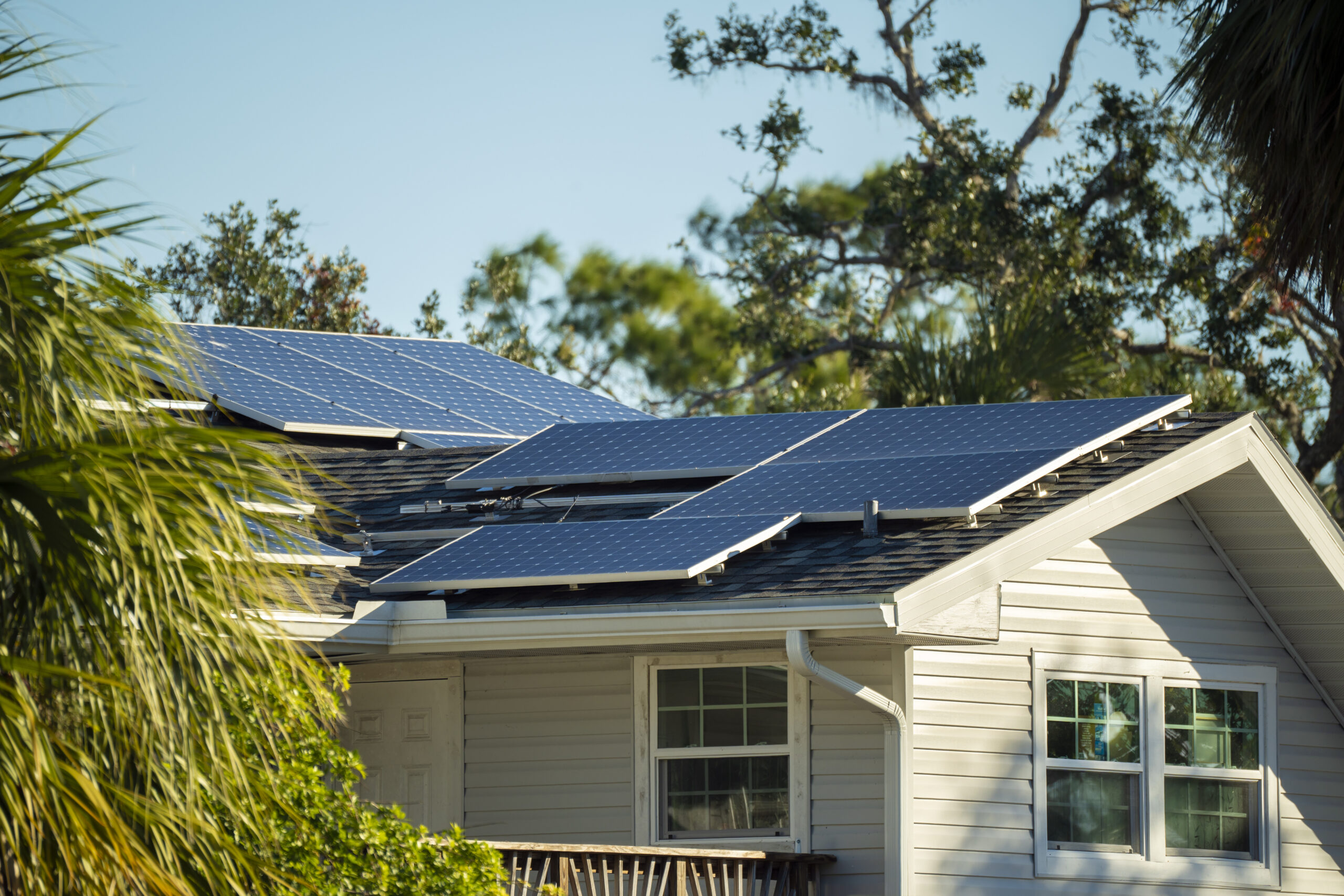
Virginia is making real progress on energy savings. Explore five new policies and programs helping residents improve efficiency and lower energy costs.
One of the main concerns in households across Virginia is the rising cost of energy. And with the temperatures getting higher, it’s only a matter of time before your power bill starts to heat up, too.
Fortunately, several utility companies and electricity cooperatives in Virginia offer programs to help customers avoid seasonal spikes in energy costs, and resources like our newsletter, The Watt Street Journal, deliver power-saving tips straight to subscribers’ inboxes to help them save energy and money on their power bill.
What’s even more exciting is that progress is happening at the state level. New initiatives focusing on making energy use more efficient, expanding access to lower-cost options, and helping residents manage what they spend each month have been recently signed into law.
Here are five ways Virginia policy is helping its residents lighten the load on the grid—and their wallets.
-
Expanding support for energy efficiency in households across Virginia
Good news for Dominion Energy and Appalachian Power customers! This year, Virginia passed HB2, which requires these utility companies to deliver energy-efficient upgrades to more qualifying households by the year 2031. These upgrades include things like insulation, air sealing, and more efficient HVAC systems—improvements that make a noticeable difference on your power bill.
Additionally, SB253 extends these programs through 2038 to ensure investments in helping Virginians save energy and money on their power bills are here for the long haul—meaning more opportunities for Virginians to improve their homes’ energy efficiency without taking on the full cost alone.
-
Reinvesting in communities through the Regional Greenhouse Gas Initiative (RGGI)
 Virginia is rejoining the RGGI, a multi-state program that caps carbon emissions and reinvests those funds into local energy projects.
Here’s how it works: power plants purchase allowances for their emissions, which generates revenue that is then used to fund programs like weatherization, community flood resilience, and other energy efficiency upgrades that reduce energy consumption and keep homes comfortable all year long.
In previous years, Virginia generated significant funding through the RGGI, and rejoining the program means these investments can continue.
-
Making solar energy more accessible
Here comes the sun, Virginia! New legislation (HB807 and SB254) is helping expand accessibility to shared solar programs—no roof panels required.
Shared solar allows Virginians to benefit from solar power without having to install panels on their own homes. Instead, participants can subscribe to a portion of a larger solar project and receive credits on their power bills.
In tandem with shared solar programs, updates to the permitting process are making it easier (and faster) for homeowners who would like to have solar panels installed on their roofs.
-
Building a smarter, more reliable energy system
When it comes to saving energy, when you use it is just as important as how you use it. Through HB895 and SB448, Virginia is investing in energy storage to balance the load on the grid and on your power bill. This means that excess energy will be stored and used during periods of high demand, when electricity is typically more expensive.
Additionally, growing support for demand flexibility programs encourages Virginians to shift their energy use to off-peak times. For example, running your dishwasher later in the evening instead of right after dinner.
Over time, these improvements can lead to a more stable energy system and reduce spikes in energy costs.
-
Reducing energy costs through affordability focused policies
Energy efficiency helps sustain a cleaner, greener future; however, many Virginians are looking for energy savings in the form of lower power bills. Recent legislation is making affordability a priority:
- HB1144 helps ease some of the financial pressure for low-income developments and first-time homebuyers by allowing localities to reduce/waive certain water or sewage fees.
- HB1002 protects customers by ensuring that utility companies make reasonable efforts to offer payment assistance, arrange a payment plan, or provide information on other bill payment assistance or energy savings programs to their customers before disconnecting their services.
- HB242 puts restrictions on how often rates can increase for customers on budget billing plans.
Looking ahead
There’s no single solution when it comes to energy savings, but these recent efforts show a long-term commitment to helping Virginia residents use less energy, access more options, and better manage their costs. Stay up to date on Virginia’s latest energy programs and learn what energy incentives you may qualify for with Virginia Energy Connect, brought to you by the Virginia Department of Energy.
While these policies contribute to the foundation of a cleaner, greener future, Virginia Energy Sense is here to help Virginians take easy, actionable steps to start saving sooner with tips, tools, and more delivered straight to your inbox. Visit ValueYourPower.org to learn more.